

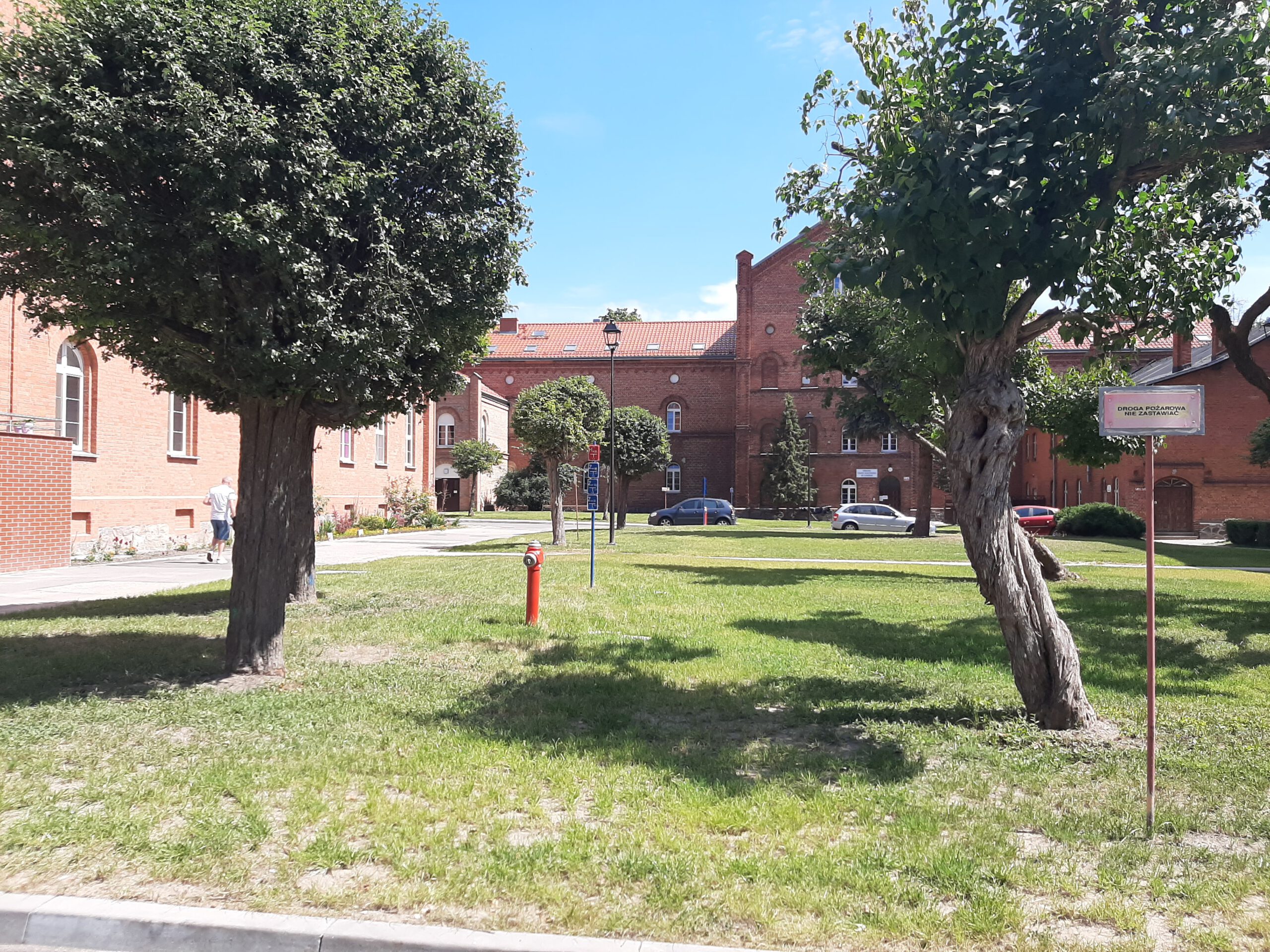
It is commonly assumed that a hospital is primarily a place – buildings where people recover from a wide range of health issues. However, beneath this visible structure lies a vital network, ensuring sanitary, energy, and telecommunications security, which are essential for the hospital’s operations.
Work on the expansion and modernisation of these crucial areas – relating to the supply of utilities such as electricity, water, sanitary and rainwater drainage, and data transmission – has now been completed at the non-denominational hospital. The final inspection and acceptance of this project were carried out on 6th August.
The contractor carried out works over a period of eighteen months, focusing on eight key tasks. They encountered numerous unexpected complications arising from the hospital’s long history, established in 1855. These included buried walls requiring detailed historical assessment, as the hospital site is under the supervision of a conservation officer, and a considerable number of clashes with existing infrastructure not marked on any maps, resulting in ongoing adjustments to the original design.
The first task involved the reconstruction of the sanitary drainage system, including the restoration of surfaces damaged during the works. This restoration encompassed not only roads and pavements, but also landscaping. The existing network, despite previous modernisation efforts, did not meet the safety standards required by law. The new drainage system, designed to carry wastewater from the buildings, was constructed using PVC pipes, and the old infrastructure was replaced with inspection chambers made of concrete and plastic.
The entire water supply network was completely rebuilt, with the primary source being a reservoir fed by the municipal water grid. The reservoir was enclosed and its exterior was renovated; in the event of a disruption to the municipal water supply, it will provide water for the hospital for twelve hours. The old water supply network was disconnected and sealed.
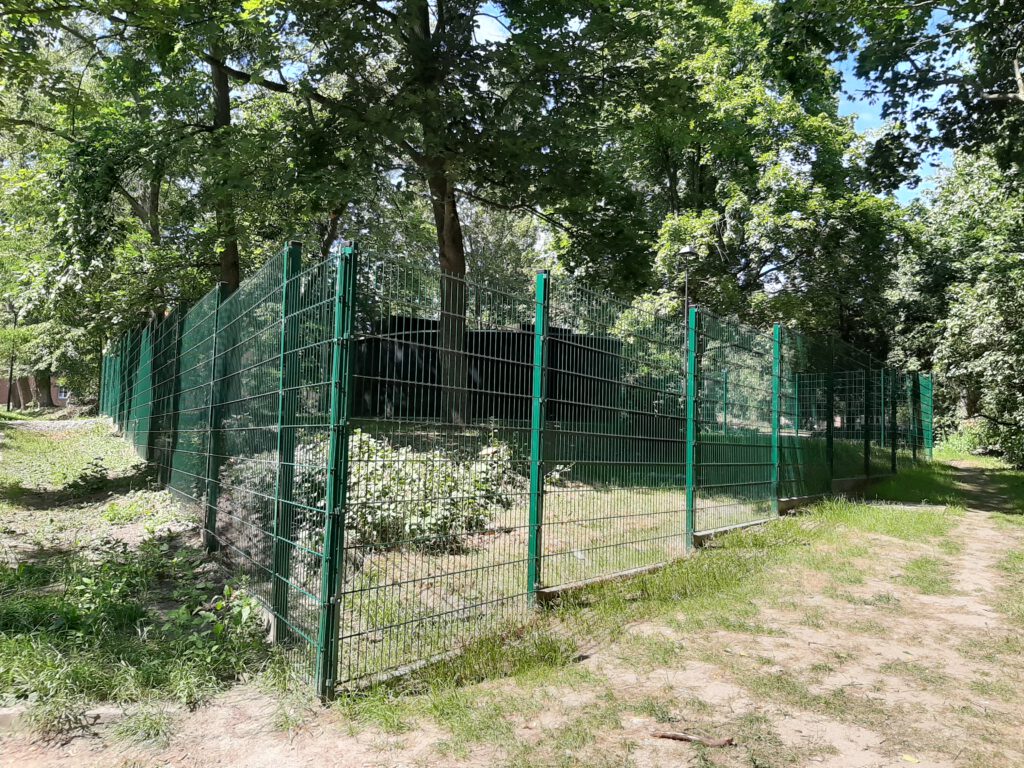
In 2014, the first phase of the rainwater drainage network upgrade was completed. Today, work on the second and final phase – a system for diverting surface water to the city’s rainwater drainage network – has been finished. A two-chamber retention basin has also been constructed, providing protection against heavy rainfall by collecting rainwater, directing it to a pumping station for surface water, and then pumping it into the city’s drainage system.
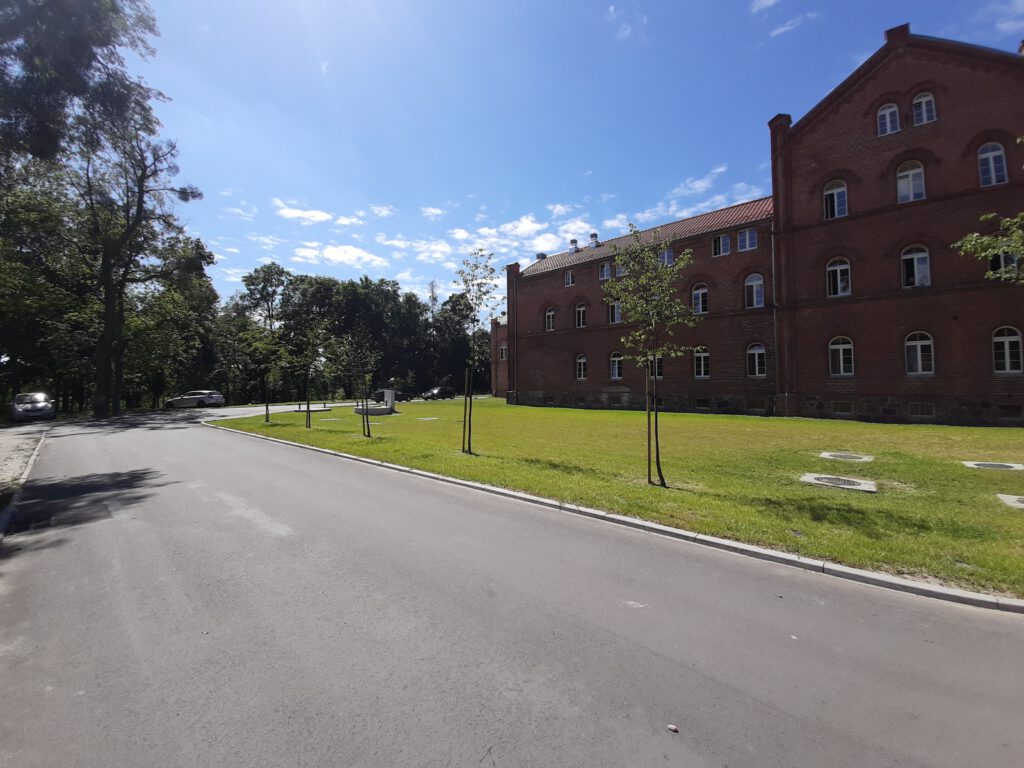
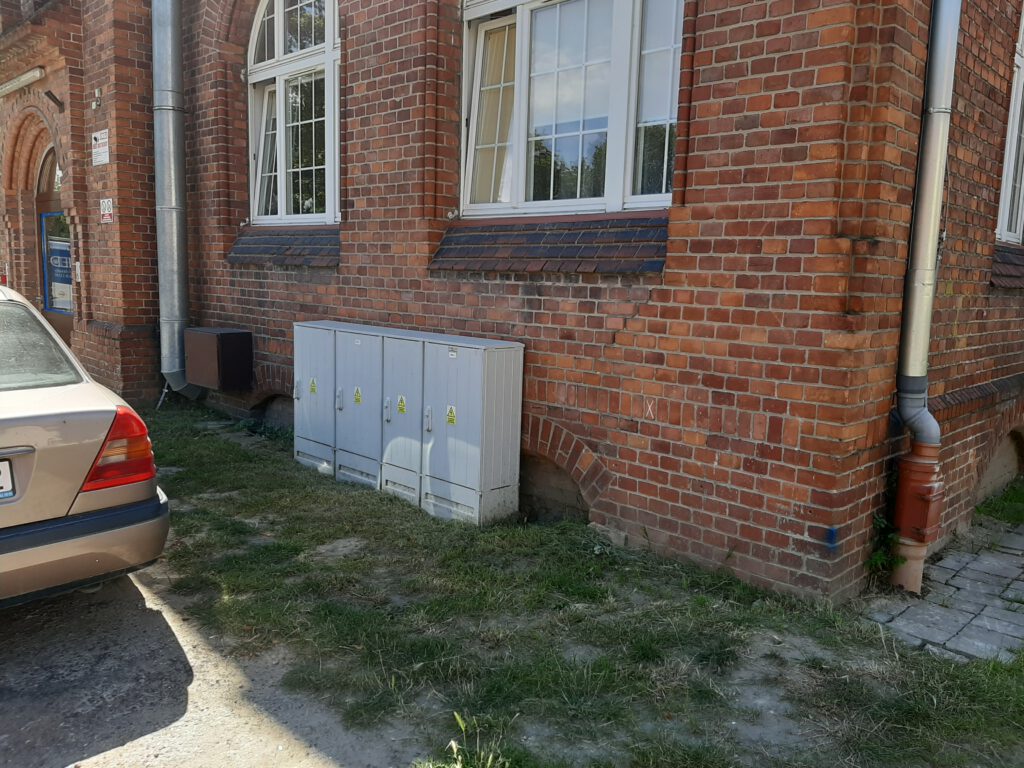
The refurbishment of ageing electrical distribution networks is another area of modernisation at the secular hospital. The new electrical networks feature two power feeds: a primary system utilising a ring configuration, and a linear system for standby power. Connection points for both power lines have been installed at each building. All cabling has been replaced with copper, and the overhead low-voltage distribution network has been removed, with its function now provided by an underground network. Each building has been equipped with main fire isolation switches.
The changes also encompassed the external lighting: some of the existing lighting fixtures and associated installations were removed, and new steel poles and aluminium LED lighting fixtures were installed.
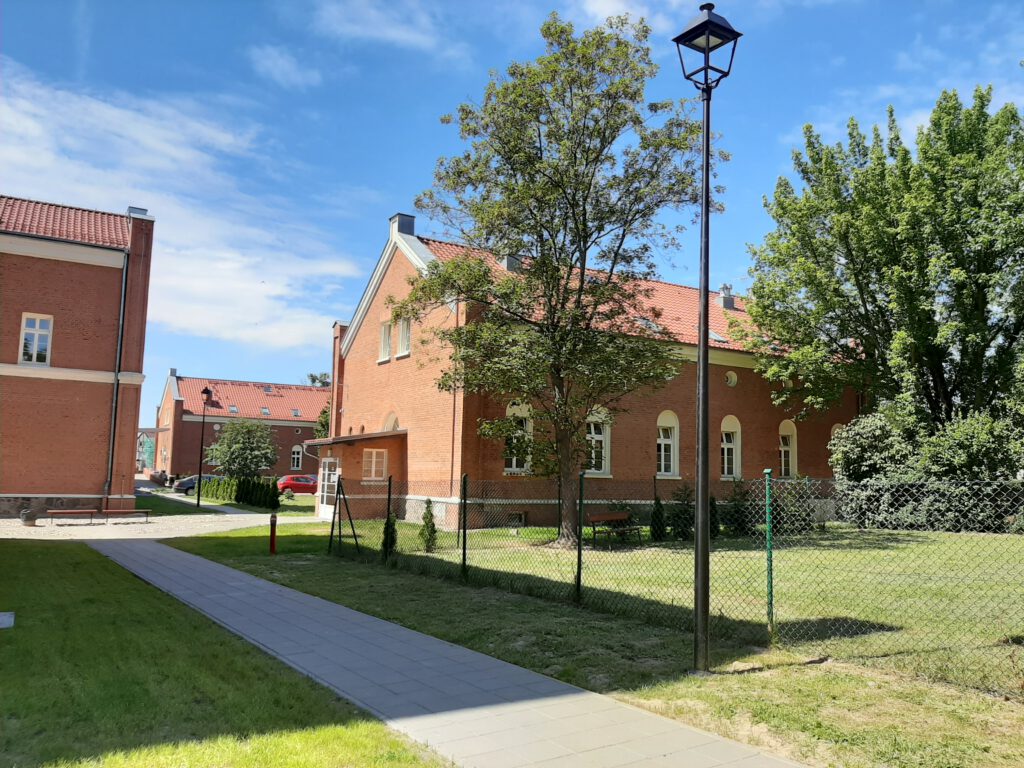
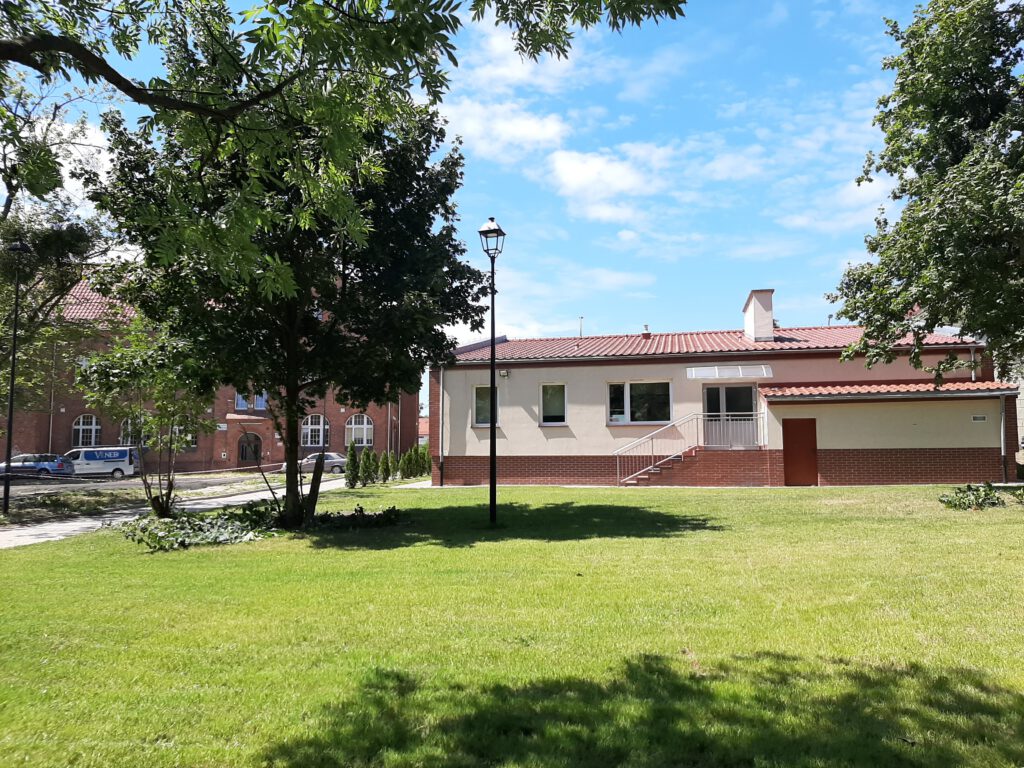
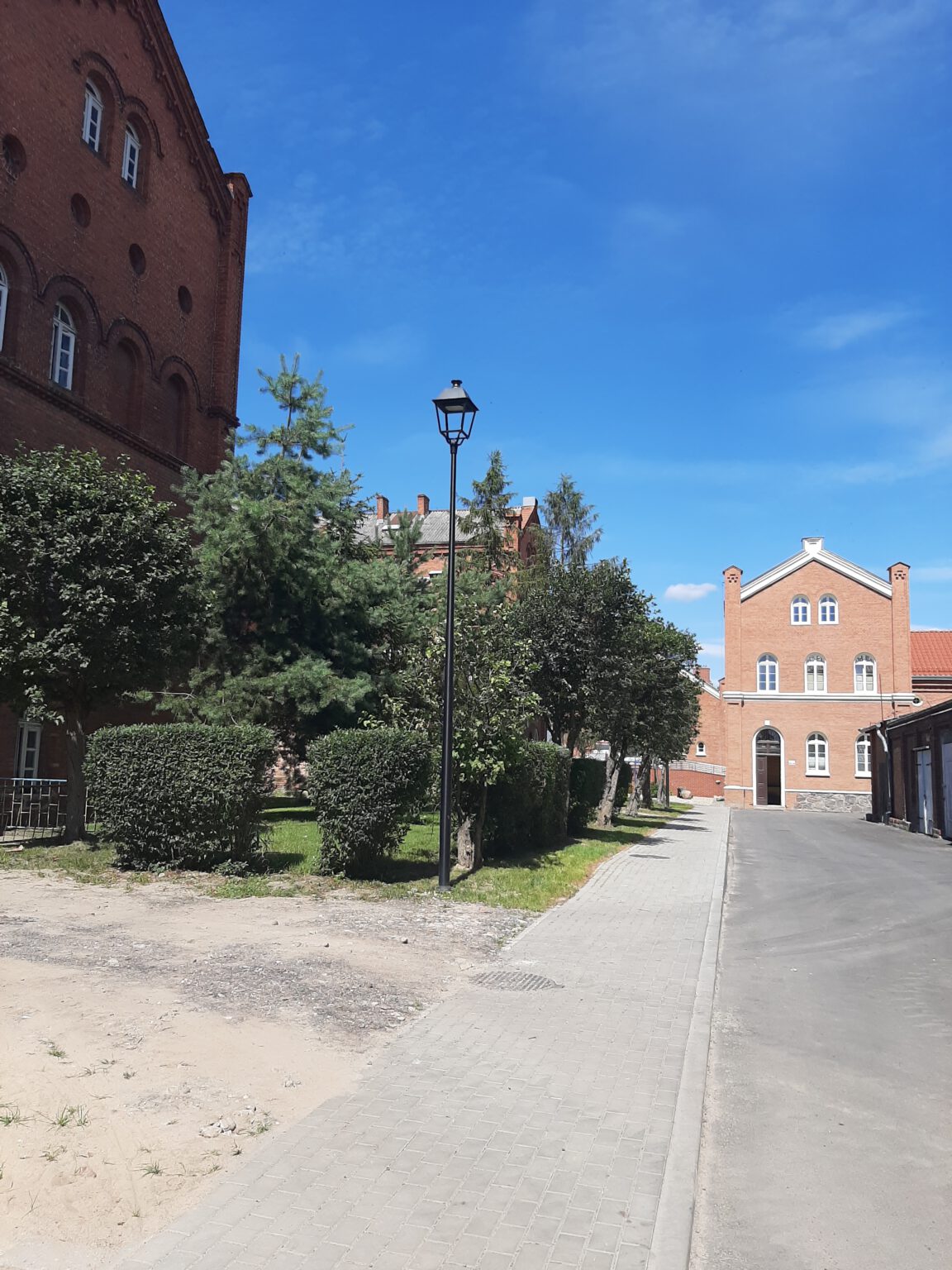
One of the key areas for the hospital, which is spread across several buildings on a considerable area of land, is communication – the rapid transmission of data is essential for its efficient operation. Consequently, the fibre optic network has been upgraded. It now utilises a star topology, with the hospital’s administrative headquarters serving as the central hub. The fibre optic cables are routed within the telecommunications drainage system, which has also been completely renovated, including the installation of cable ducts and the laying of PVC piping.
The final stage of this project involved the installation and commissioning of a monitoring system for the substation and backup power generator area, to further enhance safety in that location.
All works were completed on schedule. The total cost of the projects amounted to over 11 million złoty.